questionnaire: Steve McDonald
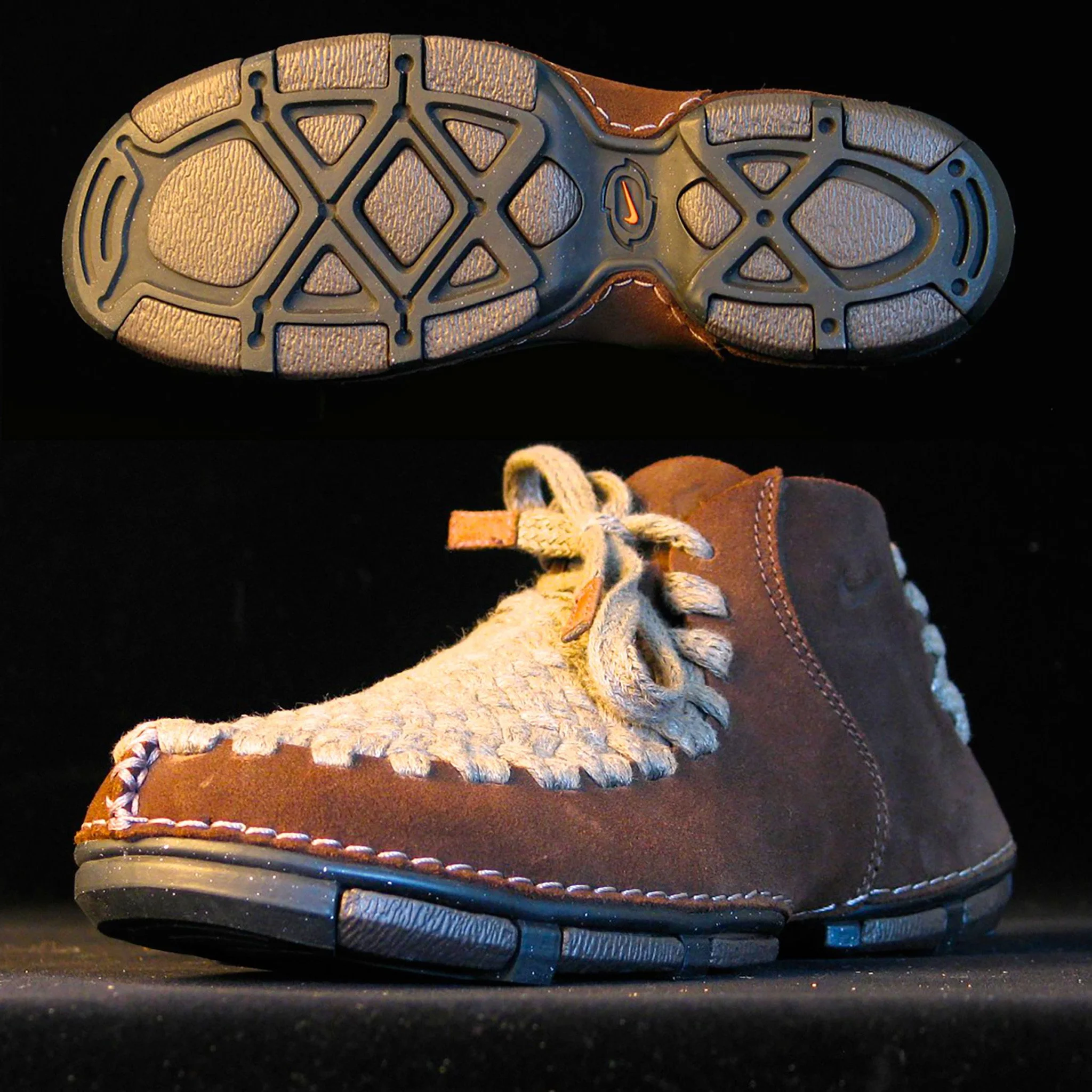
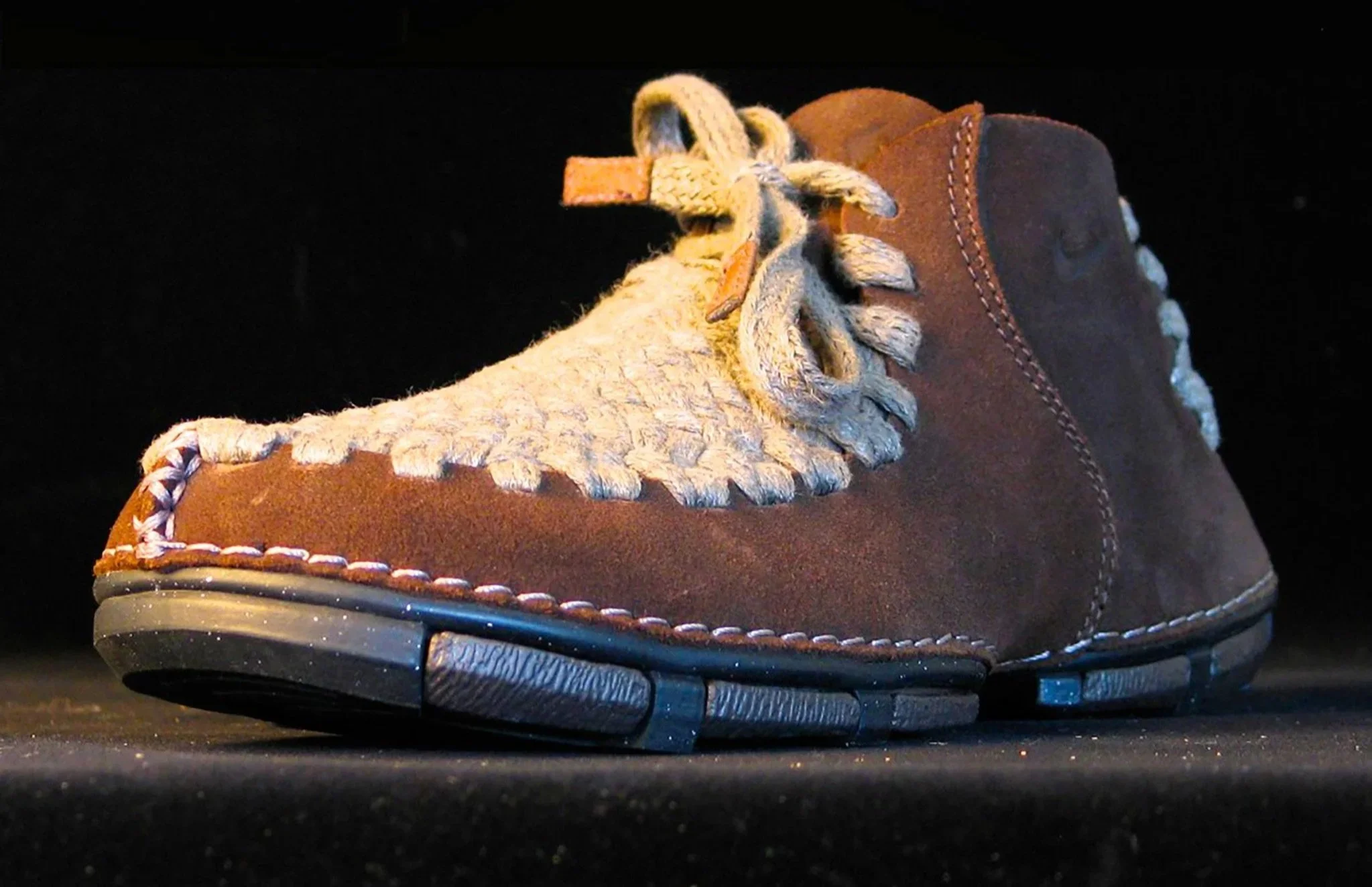
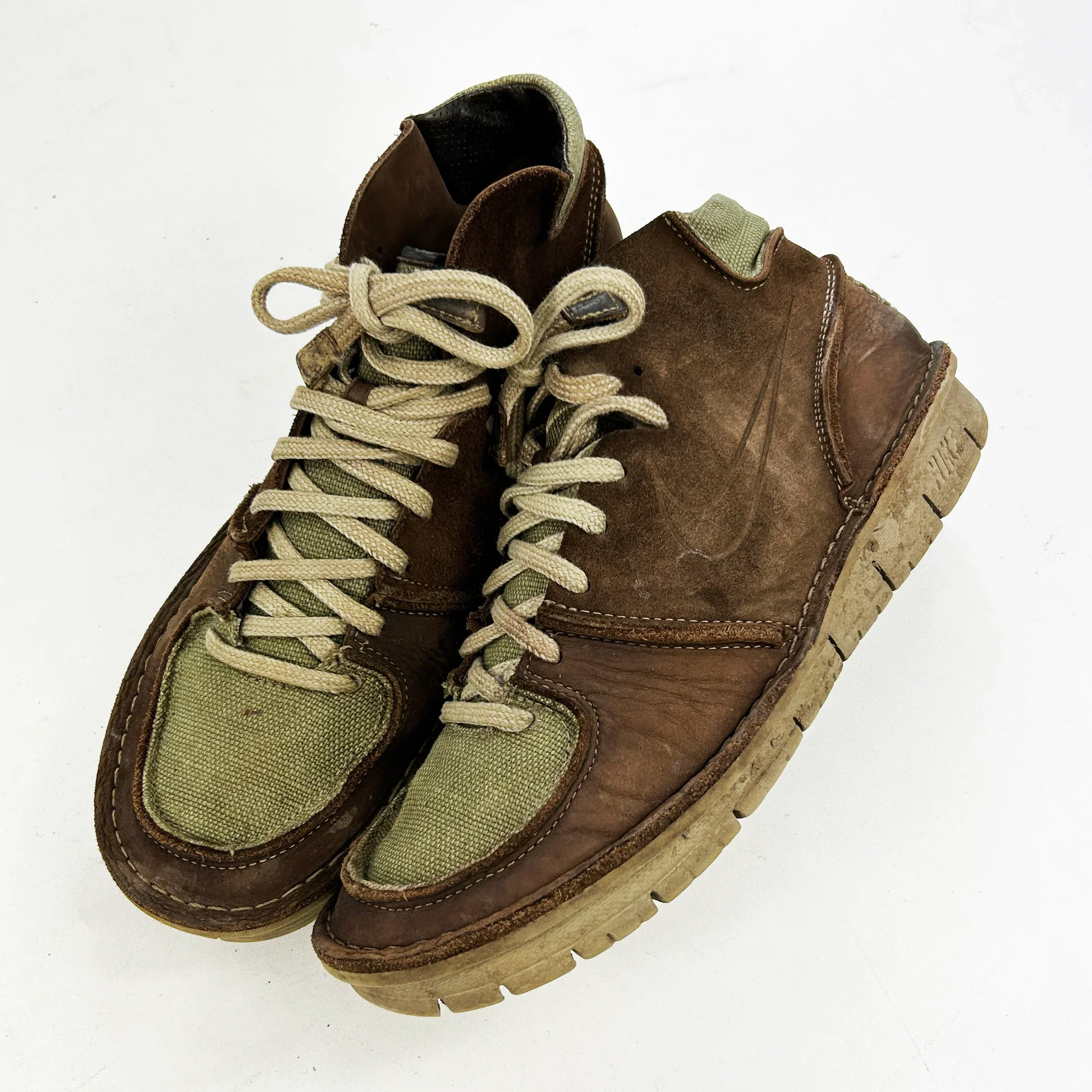
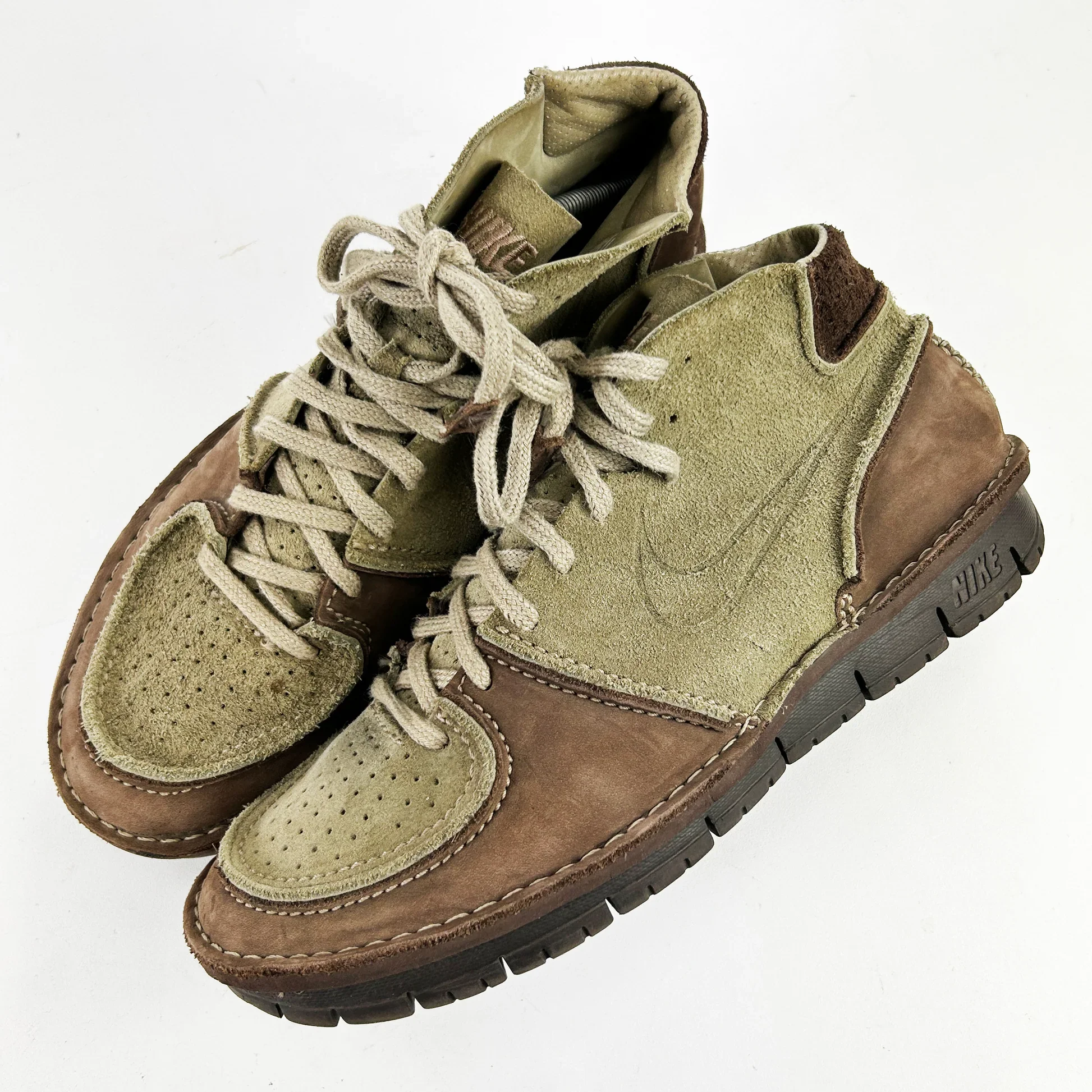
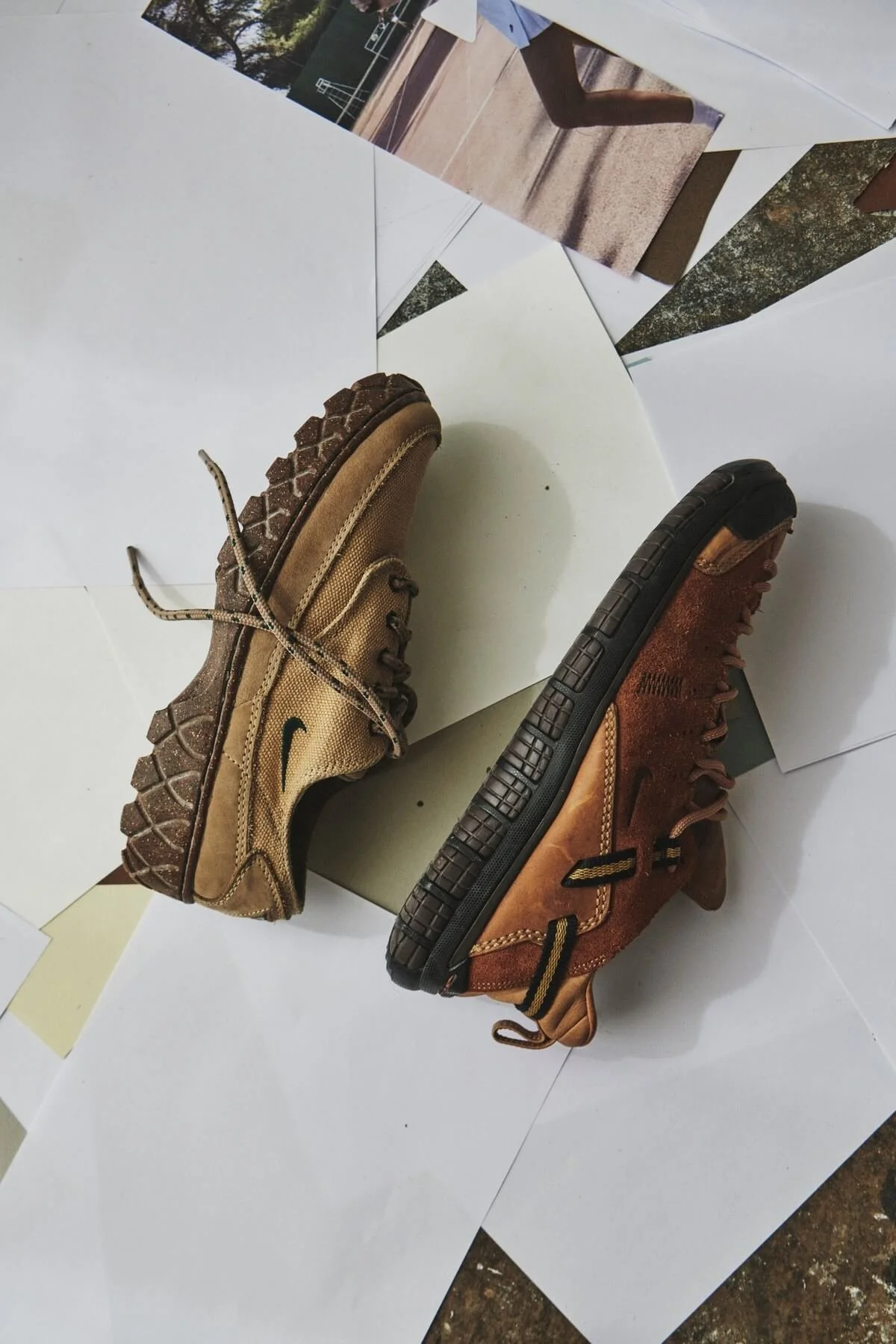
Nike Considered Boot. Image courtesy of Steve McDonald.

Image courtesy of Steve McDonald.
The client list Steve McDonald worked with during his product design career is as illustrious as it gets: Apple (via frog design), Esprit, Burton, Fila, Under Armour, Black Diamond, Merell, Patagonia, and, of course, Nike. His work for the Swoosh was nothing short of pioneering. Both the Considered and ACG (All Conditions Gear) programs - he led the latter as creative director - are still highly coveted by designers and collectors alike, feel oddly contemporary, and are referenced by or can be seen as the impetus for many current developments in function-focused design genres.
After I had published an attempt at a condensed retrospective on the Nike Considered project and its product output, Steve incidentally stumbled across it, and was so kind to reach out to let me know the read it. We emailed back and forth a bit, and thankfully, he agreed to answer some of my questions in detail. He will list a comprehensive line-up of his favorite Nike work in the article that follows. I honestly considered (no pun intended) just copy-pasting it here because that alone would have been a justifiably immensely impressive calling card in the “my next guest needs no introduction” way, instead of this little intro paragraph. Letting the work do the talking. Now retired, Steve was so generous as to add some talking of his own.
Note: This interview contains political views and statements articulated by Steve that some might find quite radical. The interview was conducted over multiple emails and thus was edited and condensed for clarity and cohesion.

Nike Considered concept by Steve McDonald & Mike Avini. Image courtesy of Steve McDonald.
In the Nike „Better World Cookbook“ from 2011, you shared outlines for „designing for a better world“. What does that entail for footwear design specifically, and what would you add from a 2025 perspective?
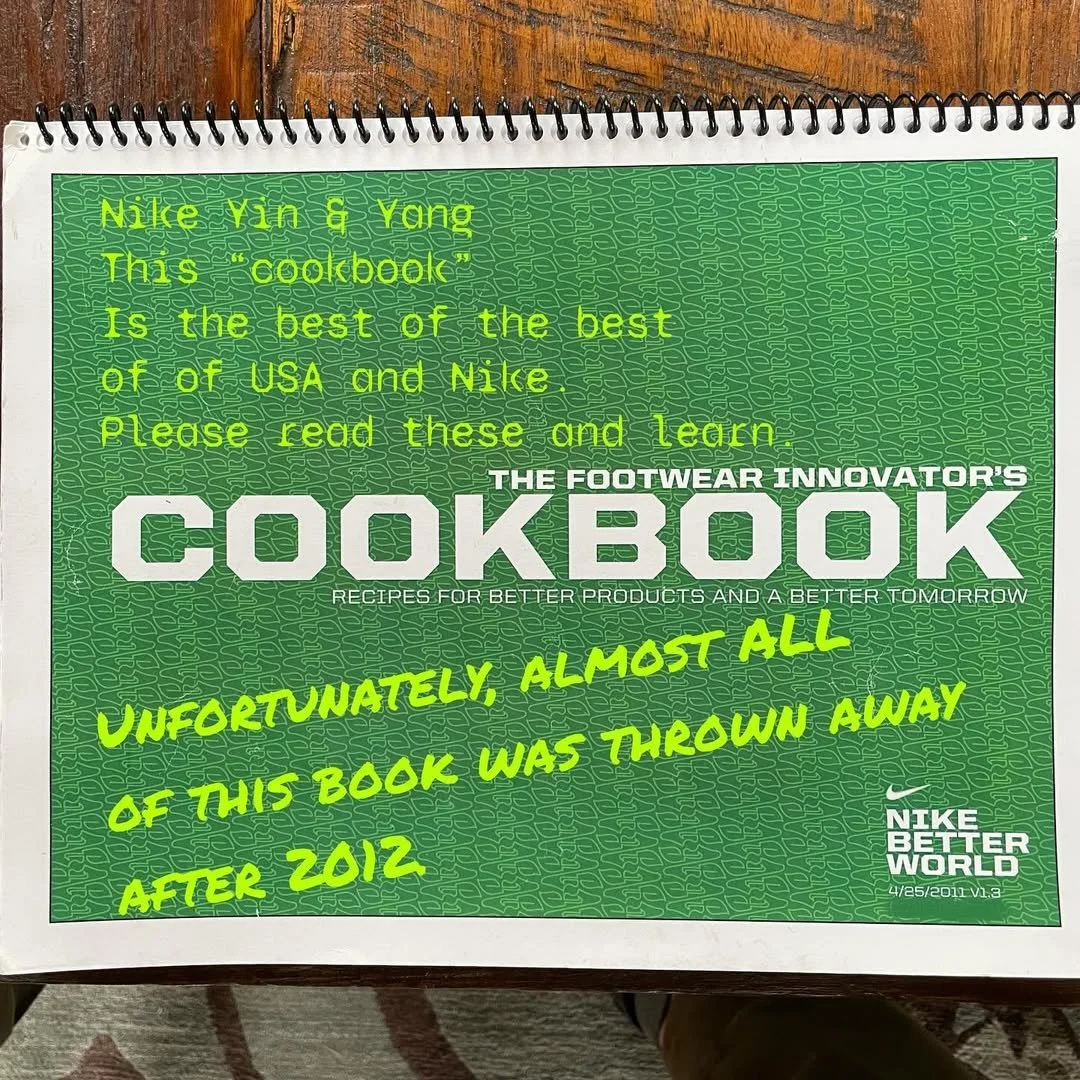
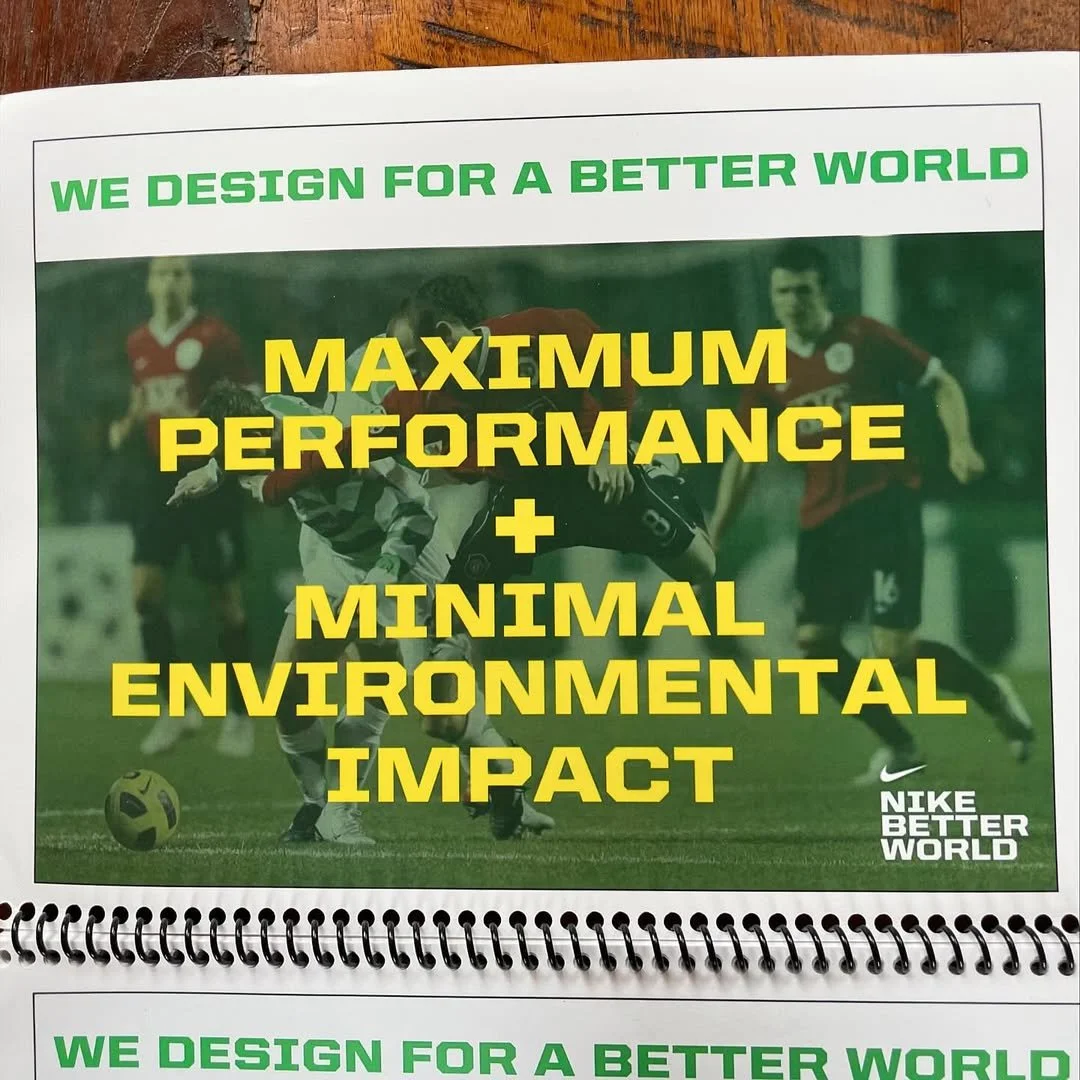
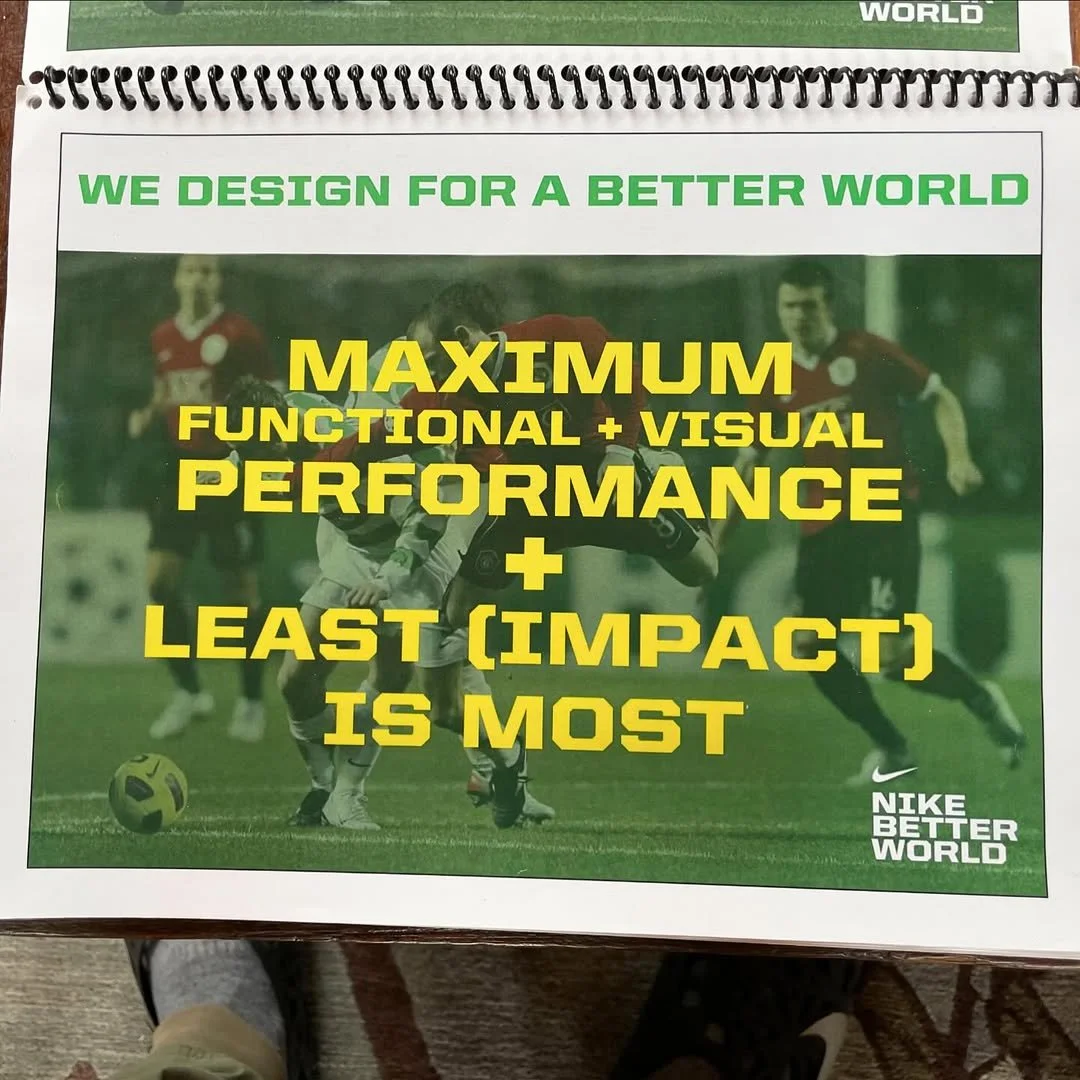
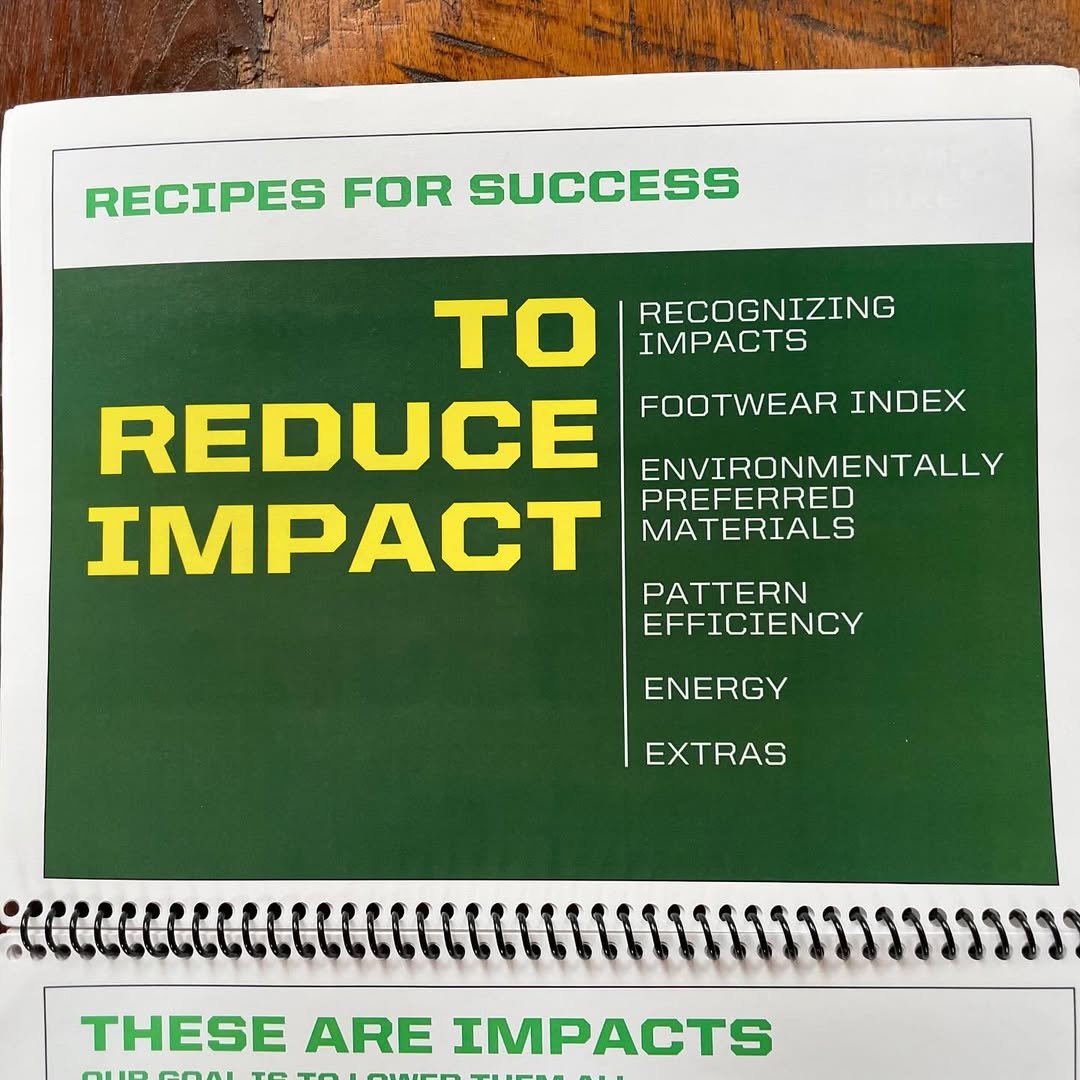
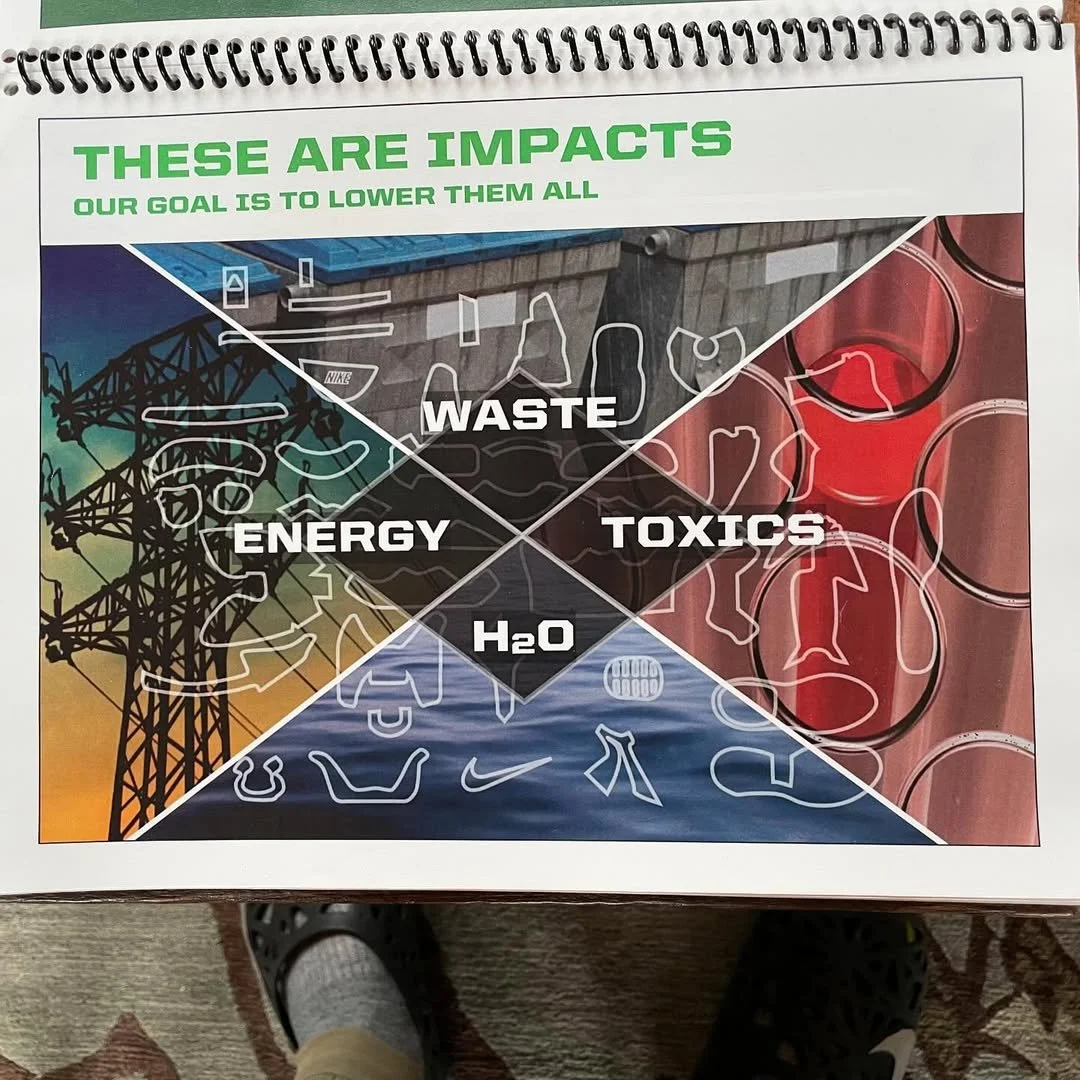
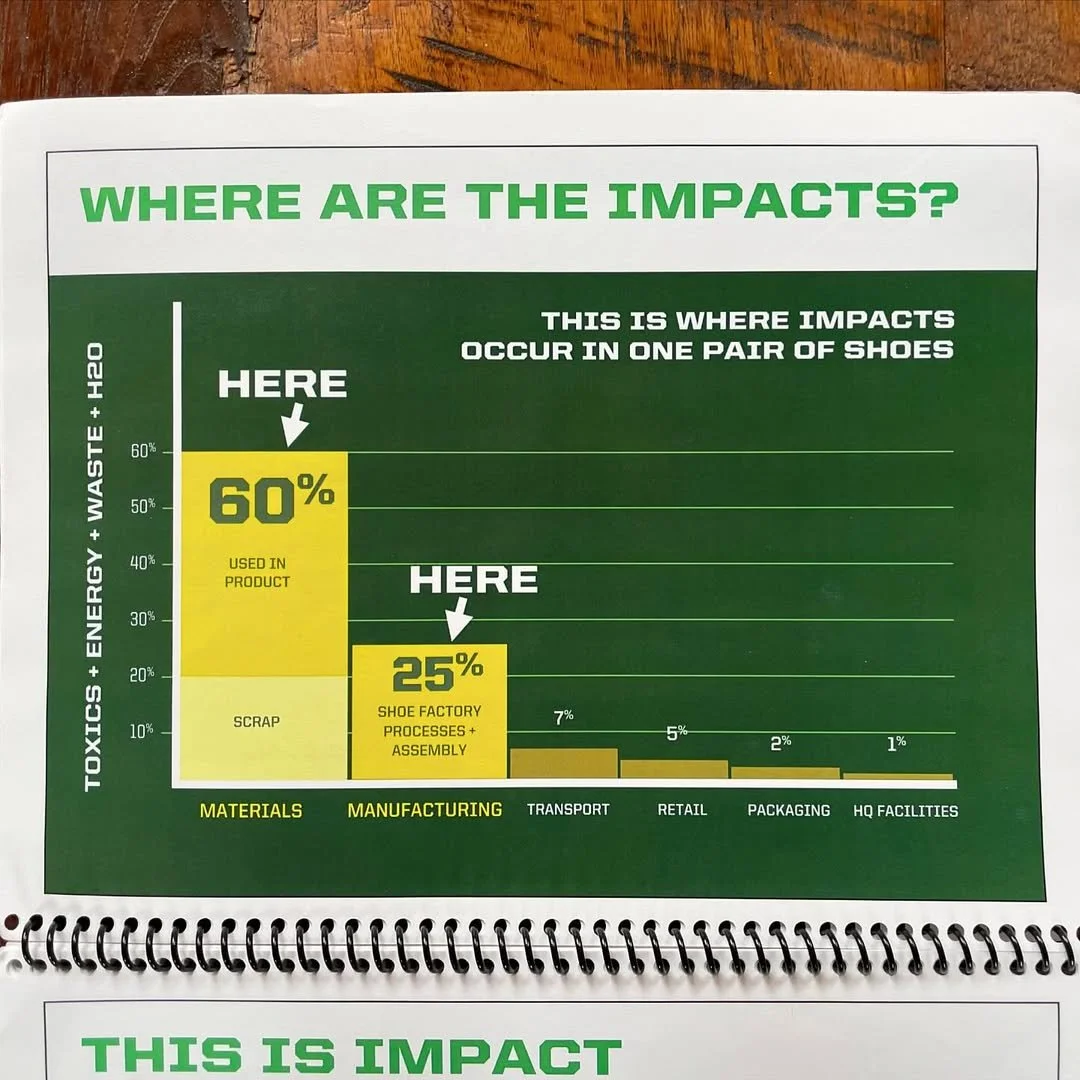
SSMc: Just my thoughts, and no full predictions from me, and what I understand as “closer to the truth”. There is no truth. Thanks to Nietzsche's wonderful mind. Generally, it is possible to create better footwear. Considered Design is still the key to understanding how to survive. It means learning about the shoe/apparel/equipment design, culture, sport, costs, methods, and more for every product I create. Making it the best product I can create and understanding what “best” means in each case, while simultaneously having many perspectives. Not easy, but very fun to be part of. You always have to look at both the big picture and every tiny detail. In reality, there is no such thing as “sustainability” in mass-produced athletic products. Real sustainability is closer to growing your own food. Considered Design is real, though, and actually possible, allowing for the creation of better products and causing less harm. It's a balance that constantly requires attention. Nike eliminated Considered Design after 2008 and threw out most of its ethics and genuine innovation. I hope many designers see the "Better World Cookbook" and are inspired to shape the future of design. Also, try to understand what Banksy means when he says: "There's nothing more dangerous than someone who wants to make the world a better place." If you create products only thinking about more money but nothing else, it will destroy us quickly.
The "cookbook" also showcases the impact of material choice. In your opinion, which materials should we ban from usage, and which ones would you mainly use?
SMc: Banning seems a possibly bad idea. The opposite is a better direction, accompanied by a better understanding and fact-based information. Everything is good to continue with dialogue and debate. Material choice is always key and changing daily. My early Nike Considered Dunk was possibly the best direction, with no linings and no toxic adhesives. Today? Good question. Maybe cow leather might not be the best material after 2025. Why? You have to investigate. The "Cookbook" is fantastic and much simpler to understand, covering a broad spectrum of materials, patterns, techniques, costs, value, aesthetics, durability, performance, weight, DIN standards, and toxin-free balance decisions.
Is an eco-friendly, sustainable shoe design even possible from a technical perspective?
SMc: The best sustainable shoe would be organic, sometimes free, and built by yourself. Before around 1800, all Indigenous shoes were made from natural materials and were fully sustainable. In specific ways, Germans' early Birkenstock shoes are Considered Design. The shape of the lasts, the type of ultra-durable leather, and minimal adhesives (sort of: the entire midsoles are made of cork and organic materials, and they are mixed with an adhesive binder). How can you make an even better Birkenstock shoe? It's not easy because Birkenstocks are a remarkably innovative product.
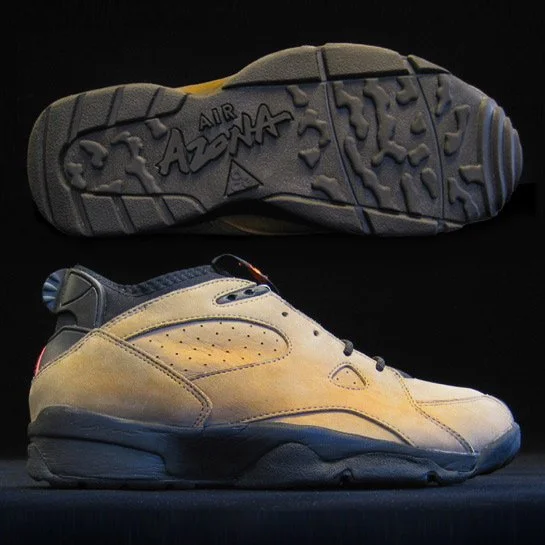
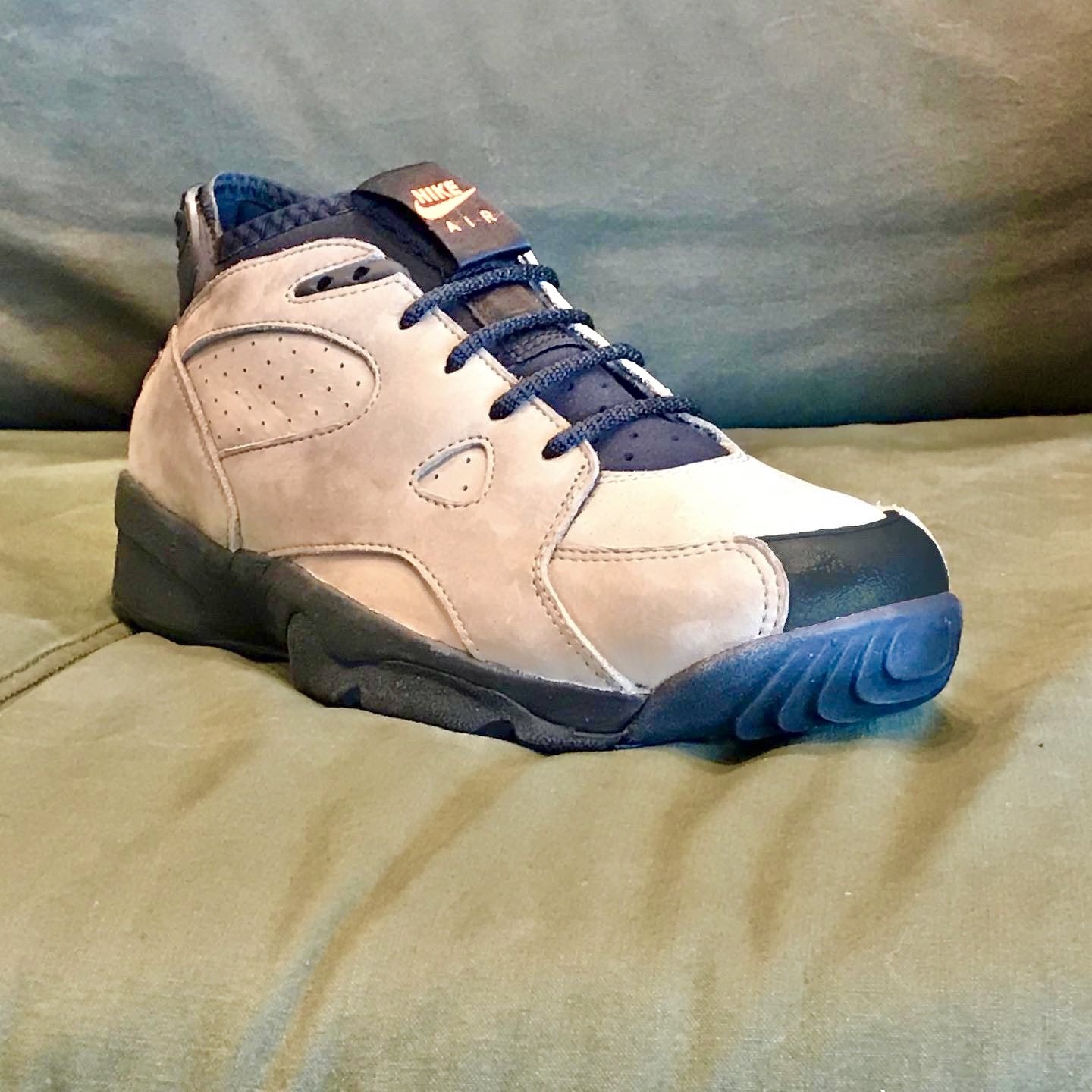
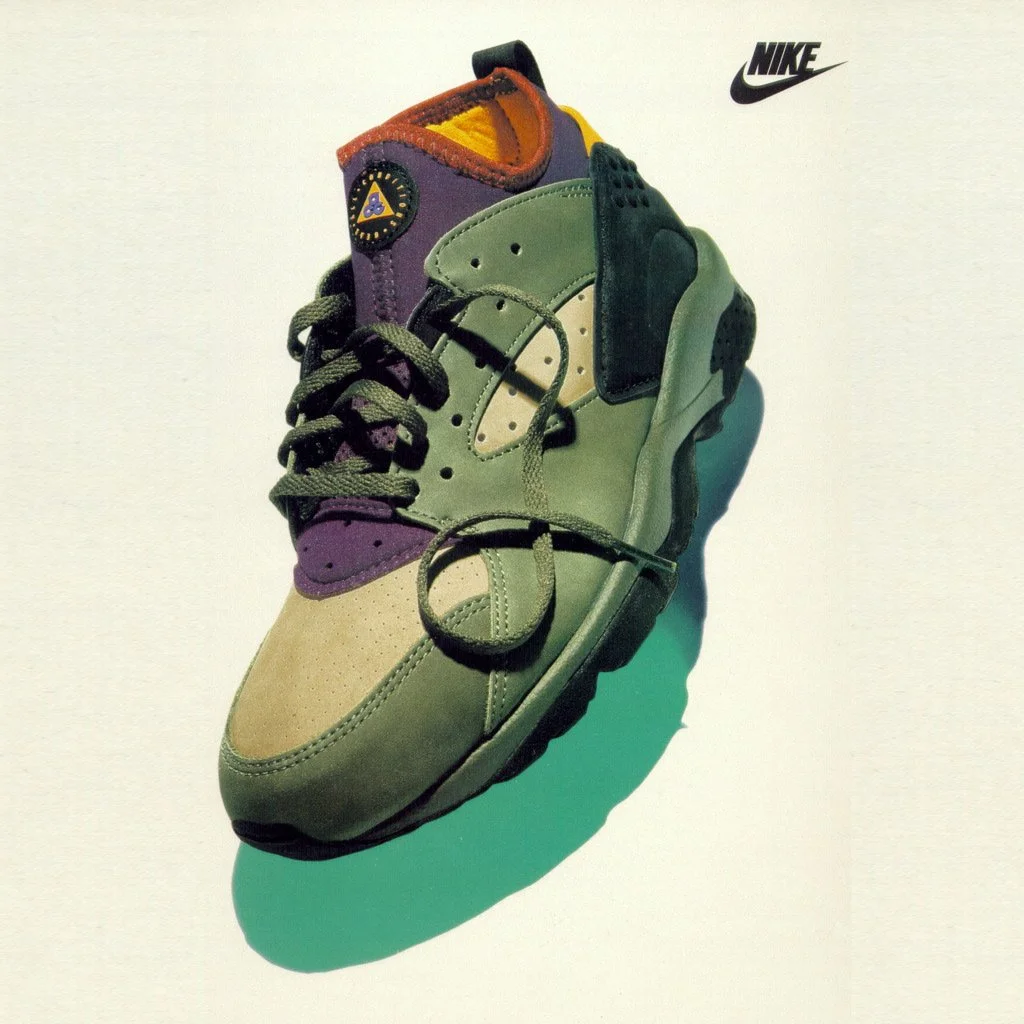
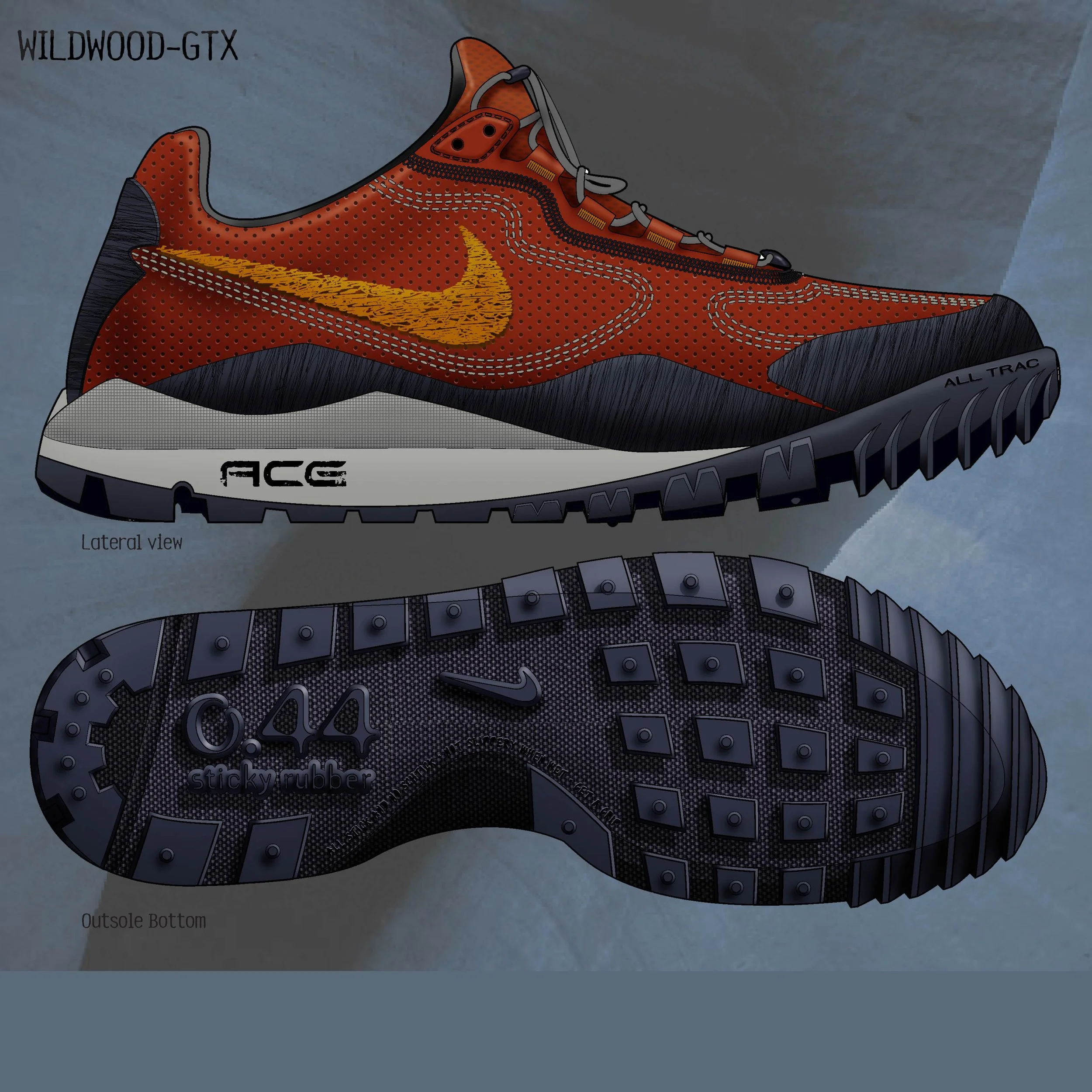
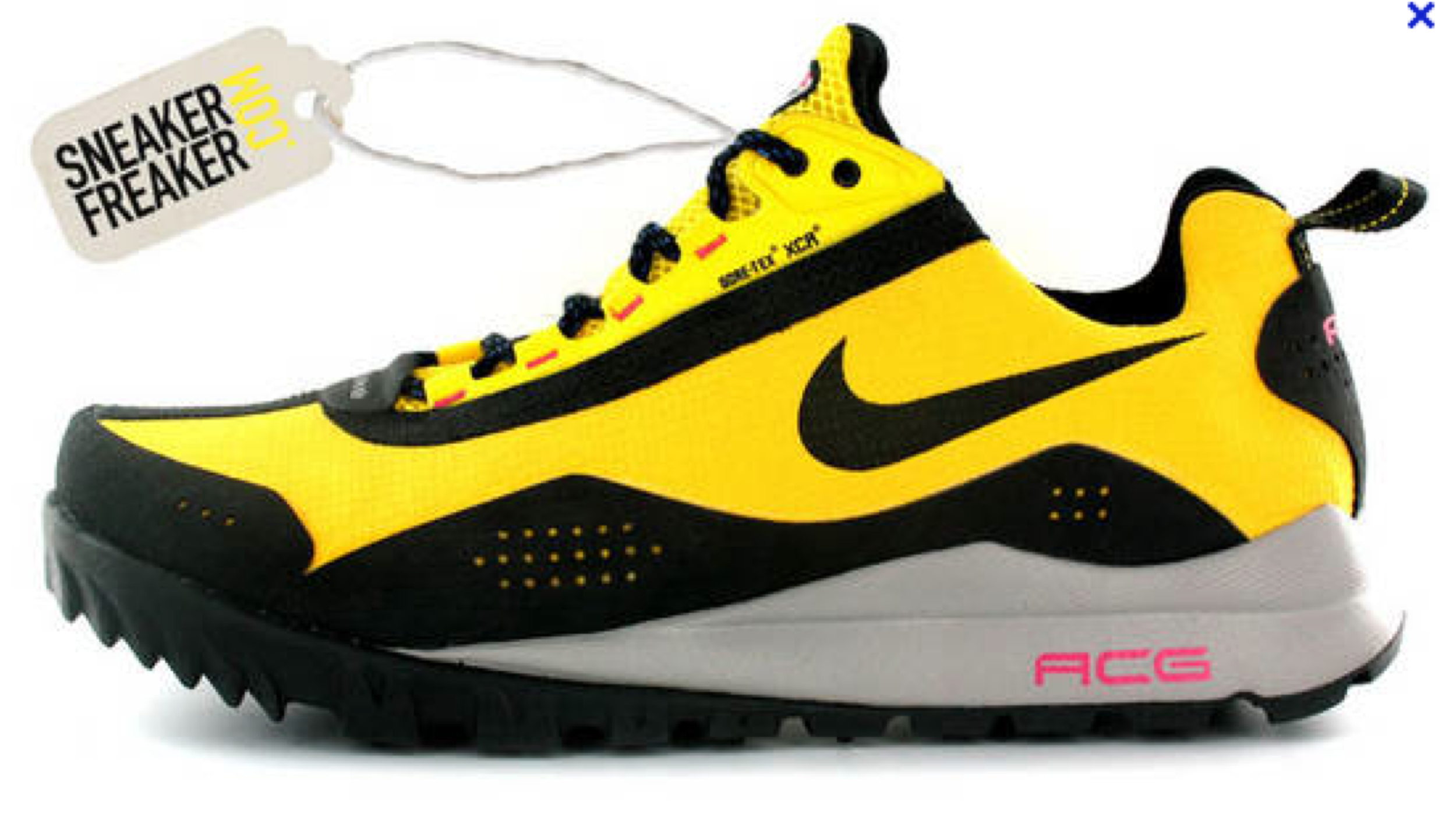
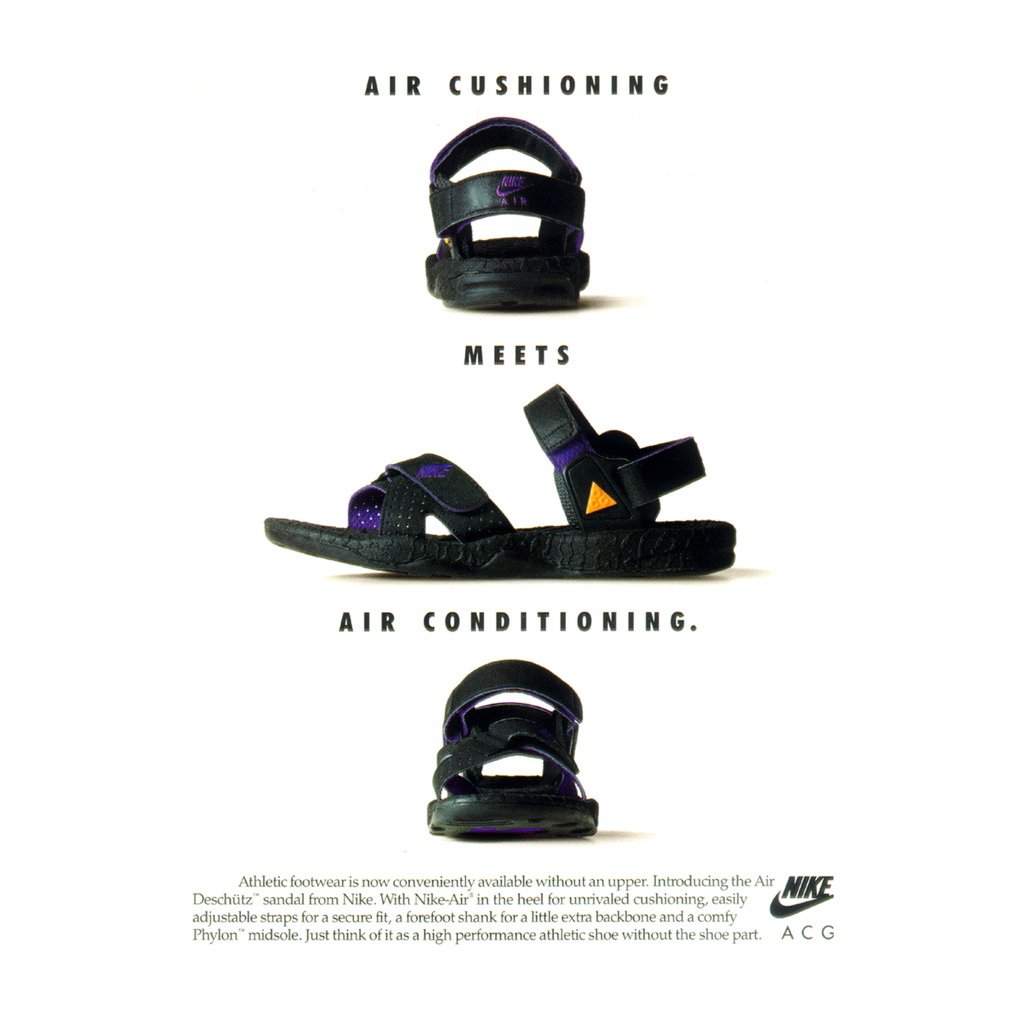

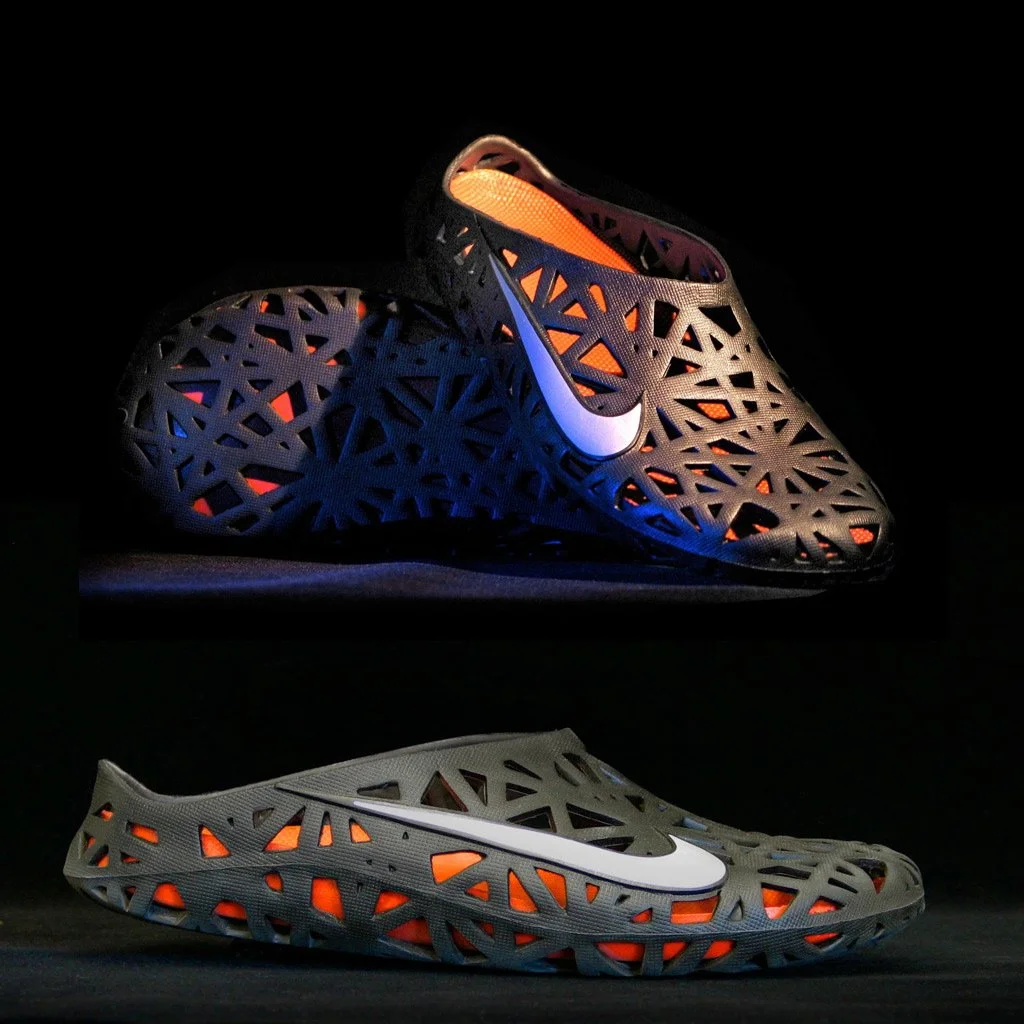
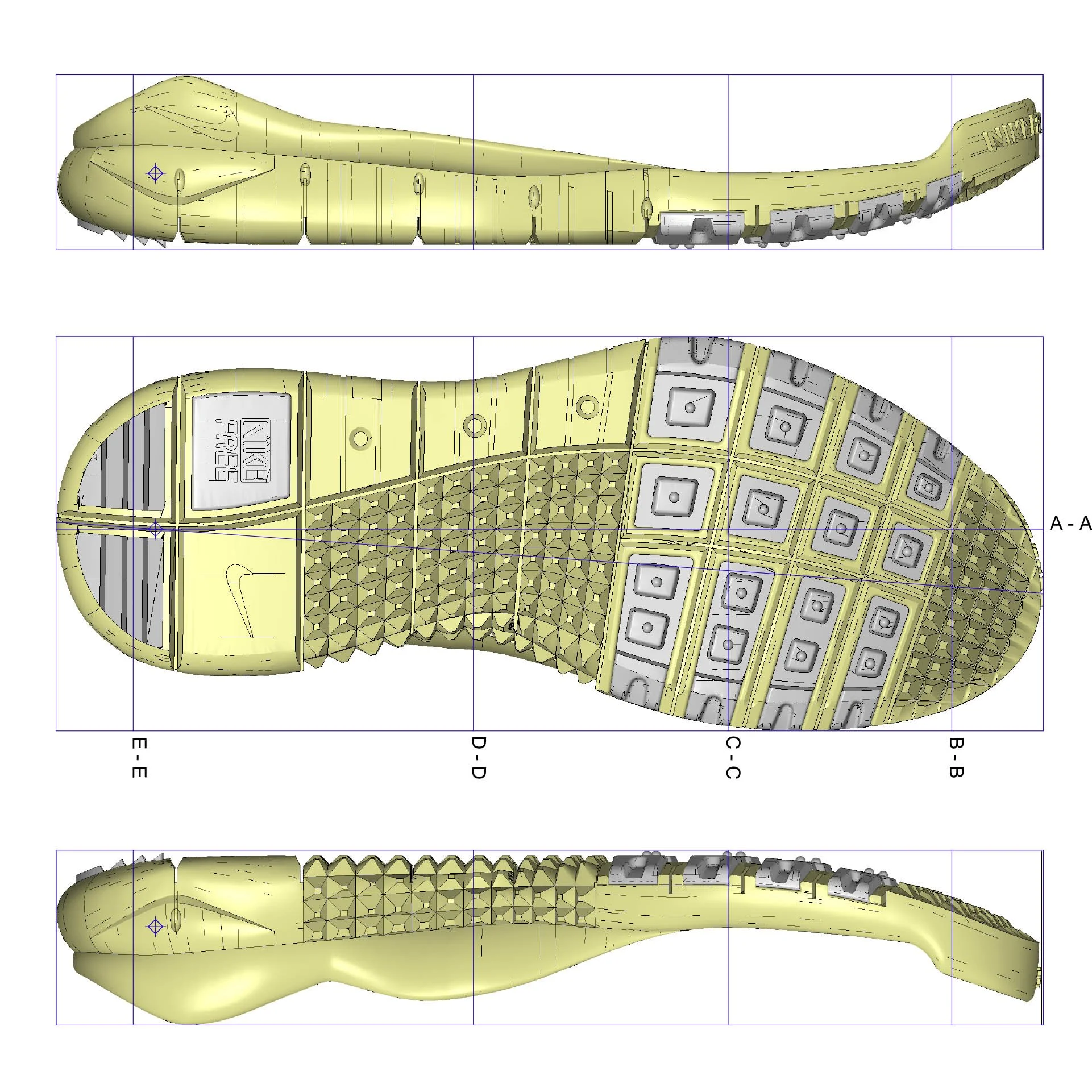
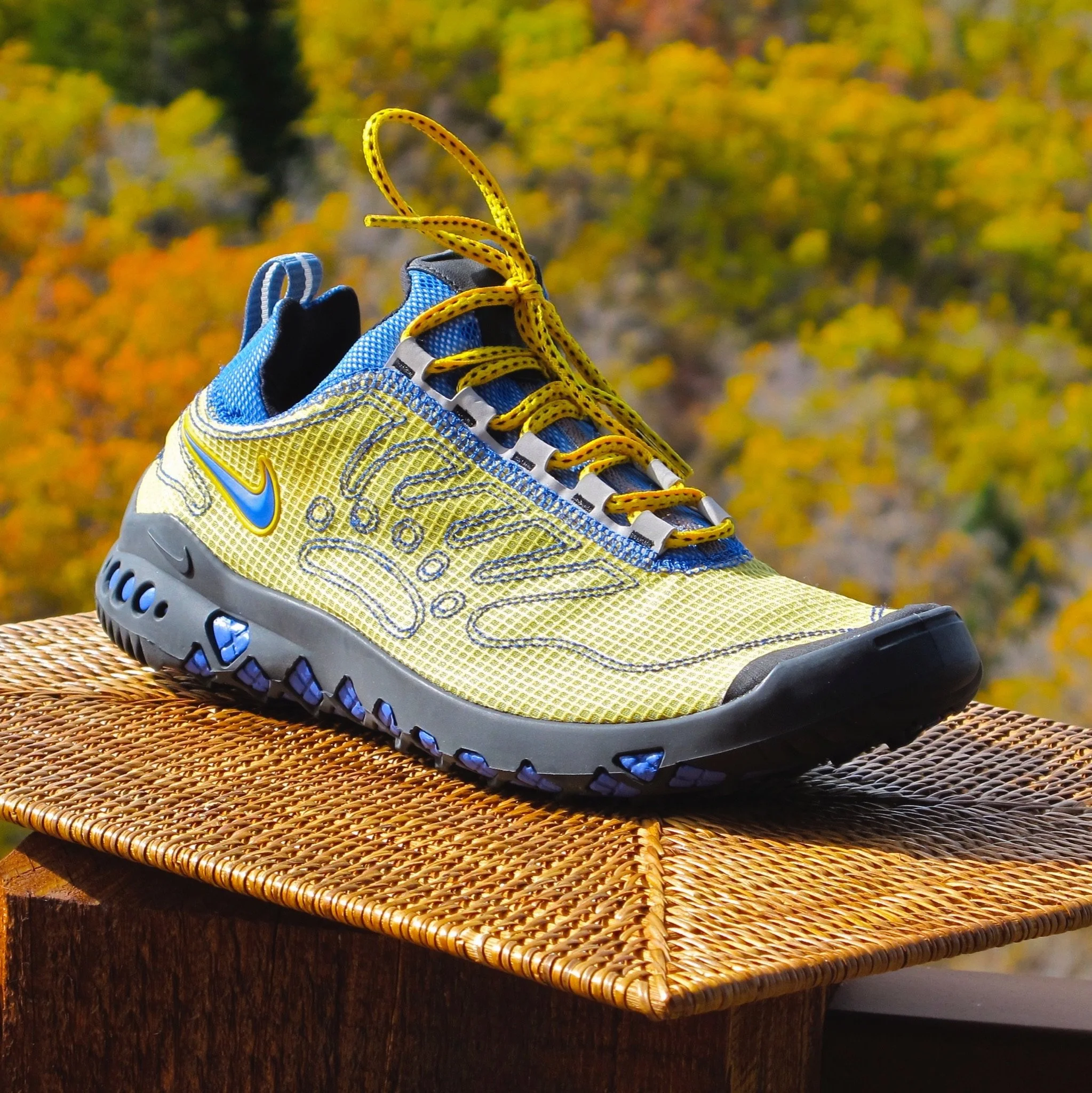
You played an integral role in the now iconic era of Nike ACG, contributing many celebrated silhouettes. What are your personal favorites in the ACG catalogue you worked on, and how did your approach to ACG differ from Considered (if at all)?
SMc: During my time at Nike, we did a lot: ACG Deschütz, Nike Max 180 Barkley, Nike Considered Chukka, Nike Considered Dunks, Nike Considered Mowabb, Nike Arizona, The Nest recovery Olympics shoe, Free Humara, Nike Low 4, Nike ACG Wildside, ACG Moc, Nike Kobe 6, ACG Loopin (Amazing story and we never went online. That's why I quit Nike the first time.), Nike NoSew (world's first!), Nike ACG Yewtah, Nike Considered Heyzues Sandals, Nike U Socks, Nike Wildedge GTX (early no-sew performance shoe), and many more.
As a Kobe fan since childhood, I have to follow up. Are there any specific stories in the creation of that silhouette that you'd like to share, too?
I looked to Kobe Bryant as a kind of hero, and I got to help out Eric Avar on the project while he was recovering from his unfortunate cancer. My Goals for Kobe Bryant’s shoes were: getting them closer to your foot for better performance, fitting each athlete comfortably, and making them incredibly lightweight, as lighter means faster. I was thinking about his whole Samurai and Black Mamba theme. These visuals of the shoes are not just decoration, though. They are the structures that allow the feet to respond quickly. We got your feet closer to the ground. The older Adidas Kobe shoes were not really performance-focused. I never actually met Kobe because of company politics, but I was absolutely positive about making better hoop shoes for Kobe. And we did.
Did you have a chance to get your hands on any of these recent ACG retros? If yes, how true are they to the original intent by your estimation?
SMc: I have never worn any of the newer Nike ACG shoes. I like some of them, though, such as the Mountain Fly, Watercat, and Ultrafly Trail, as well as a few others. I still like the Peter Fogg designs in ACG. I really enjoyed working with other Nike ACG designers like him. However, the company politics grew increasingly ugly after mid-2005.
You also worked in climbing, mountaineering, backcountry skiing, snowboarding, and other outdoor gear industries. Did you experience any differences in how the sustainable design approaches were received in those industries or divisions compared to „mainstream sportswear“?
SMc: Authenticity is always better. All sports, fashion, music, art, culture, finance, making things, and communication are connected. I learned that from Einstein. When they asked Einstein about God, he would say, "I believe in Spinoza's God." Spinoza, in the 17th century, explains how everything is connected. They are correct.
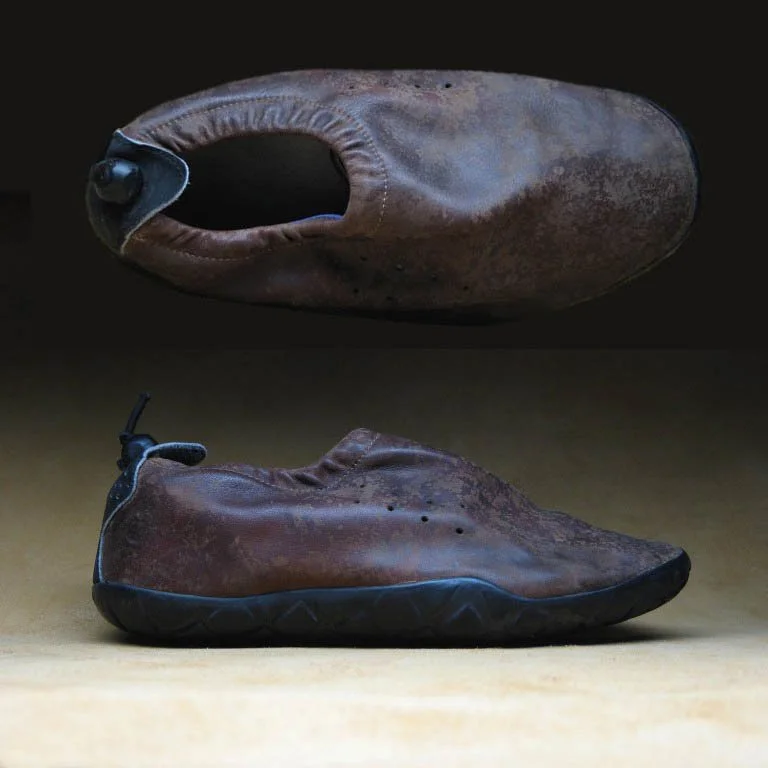
Nike ACG Loopin. Image courtesy of Steve McDonald.
You state you „played Sisyphus at Nike during the early 90s and to the present on Nike's sustainable manufacturing initiatives and worked with two colleagues to create the Nike Considered program“. First of all, can you give a shout-out to your two colleagues who tried to push the boulder up the hill by your side? And secondly, can you explain the hurdles you and the team faced?
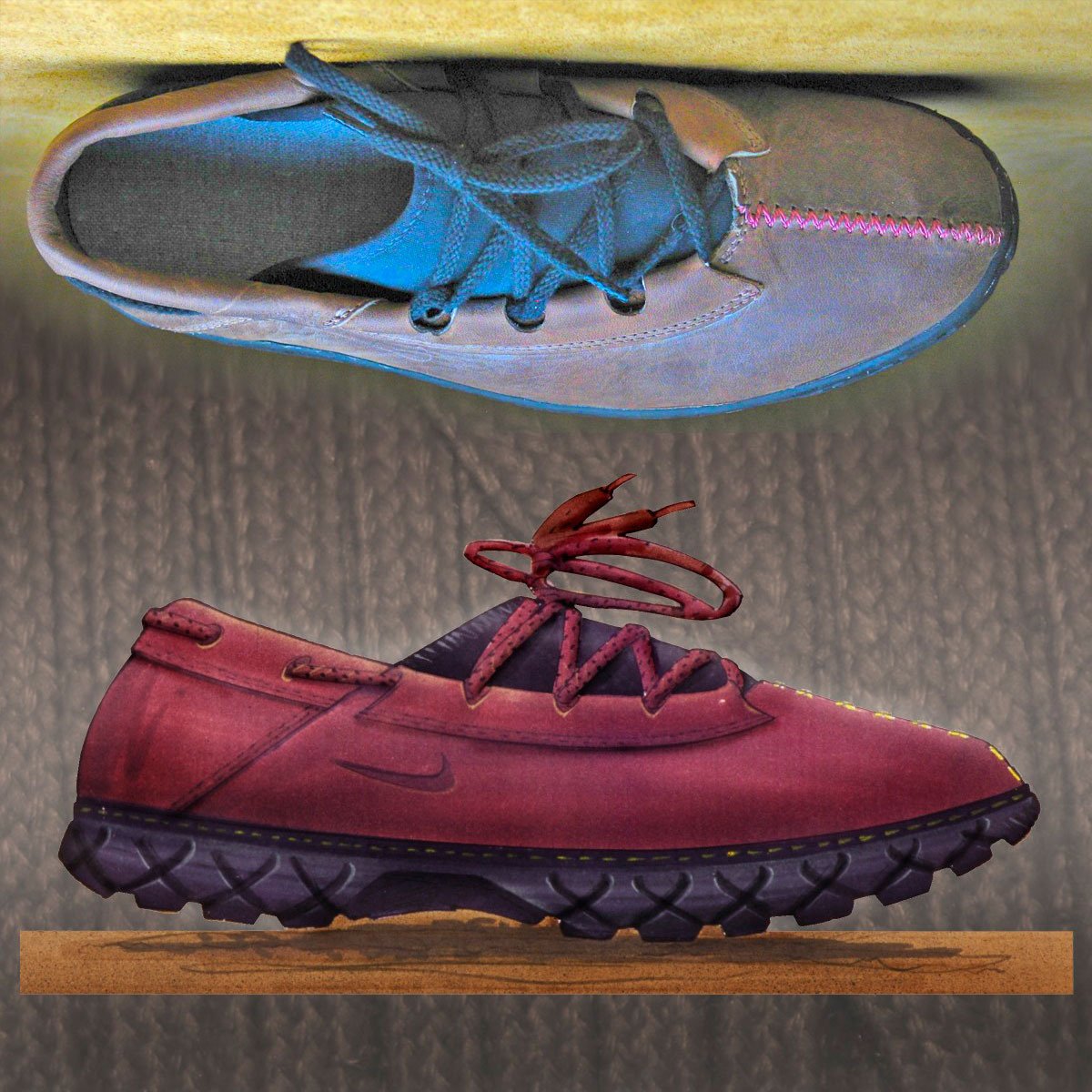
Nike ACG Loopin with sketch. Image courtesy of Steve McDonald.
SMc: Lorrie Vogel and Pam Green. I helped Pam Green secure her job designing for Nike in the 1980s. She is incredibly creative, and Lorrie Vogel is a master of organization and explaining ideas in clear and effective ways. In 1992 at Nike, the Sisyphus boulder rolled right over me and crushed my championing of considered design. It started with the Nike ACG Loopin shoe in 1991. Loopin was way ahead of its time and had various “product firsts”, none with a commercial focus. Here are a few:
Better leather. In the US, a cow’s industrial lifespan is only 18 months. The goal is to get them as fat as possible, quickly, via hormones, often toxic drugs, and the cheapest food they can get. A ‘normal’ cow in South America or other regions lives as long as 20 years. This also means that USA-produced cow leather is not as good or durable as most alternatives.
We stopped using toxic color dyes and used pecan shells for color and bees’ wax as a water-resistant coating. They were amazing!
Recycled content and sticky rubber cup sole. I am a rock climber and wanted ALL of my ACG shoes to have sticky rubber for both rock climbing and being functional when wet.
The sock liner was made from recycled fashion industry waste textiles. This was a lot of work, and the linings were made in Italy.
Recycled polyester-based laces.
Lacing system within itself. (Not my idea, but I like it a lot and stole it from La Sportiva Mythos.)
Most of our ACG shoes are also excellent mountain bike shoes. They have sticky rubber, and the slightly stiffer outsole shank makes them more precise on the bike as easy-on-and-off shoes - almost indestructible, and made from recycled content.
Overall, closer thinking about “Closed Loop” products.
Even before Considered Design started in 2005, people at Nike were creating better, safer, faster products with less waste, close to the essential idea for athletic shoes. Unfortunately, Nike management fought against making better products. Nike said, “The single goal is maximizing shareholders’ value.” Period. One-dimensional thinking is a bad idea.
One would imagine that, with technological progress, realizing a concept like Nike Considered should be more feasible today. Do you think it would be, given the impetus or commitment of a resourceful brand?
SMc: "Capitalism" needs to be redefined NOW! The USA and Germany are Capitalists. China is also Capitalism AND Socialism. Besides Socialism, what's the difference between the Western and Eastern thinking cultures? In Western culture, it's ALL about money and power. Worse, the West hates its own people and wants to exploit them for more money and power for themselves as the "elite" and billionaires. Western culture is failing big time today. Western culture is too connected with the religions in power. It is manufactured and heavily manipulated. I'm talking about the USA from my own perspective. Our own Western billionaires are even worse than the Evangelical genocidal society. In Eastern culture, it is about prosperity and taking care of their people. If we make it (?) Western thinking needs to start over and learn from the East. The East has its own big troubles, too, but I give props to China and its newer successes. Keep learning and trust in yourself.
There are macro discussions in the sneaker and sportswear industries, taking issue with a perceived decline of innovation in footwear technology and design. A large consensus identifies the problem as brands avoiding risks and relying on rehashing old styles by combing through their respective archives again and again. How do you view these developments as a designer? Which supply chain or production factors do you see contributing to the brands' tendencies to favor retros over new silhouettes?
SMc: This is a critical issue. I have dealt with this same idea from the beginning, designing for Nike. Classics are classics for a reason, and you understand why. Many times, they were from the start, like simple Dunks, Air Force 1s, Converse All-Stars, Jordan 1s, and others that have remained popular and sold over time. This is why I tried to recreate Nike Considered versions, such as the Considered Dunks. It would have sold incredibly well, but Nike's money-religious people and Mark Parker stopped ALL of our Considered products. Unfortunately, the extremely greedy people took over at Nike.
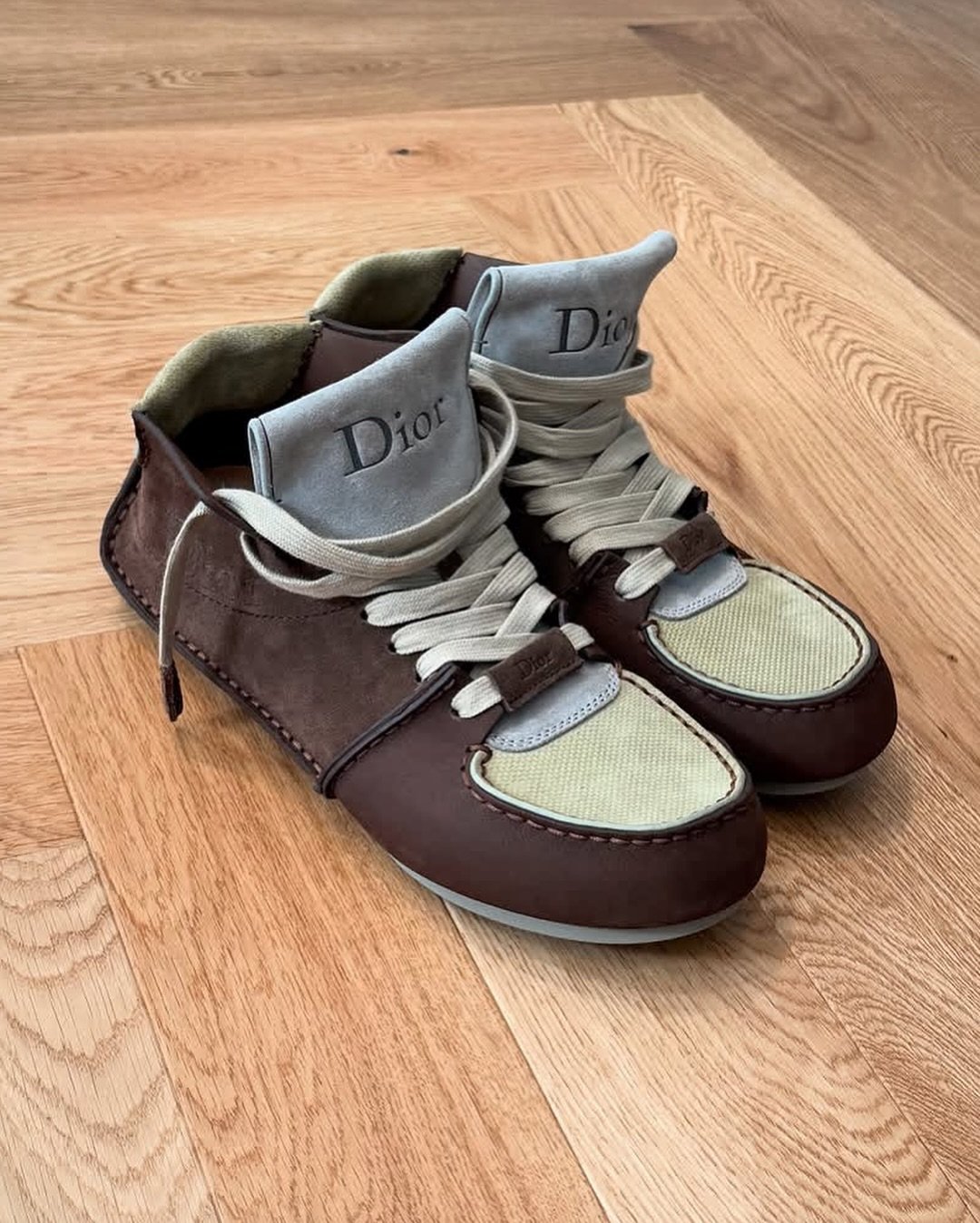
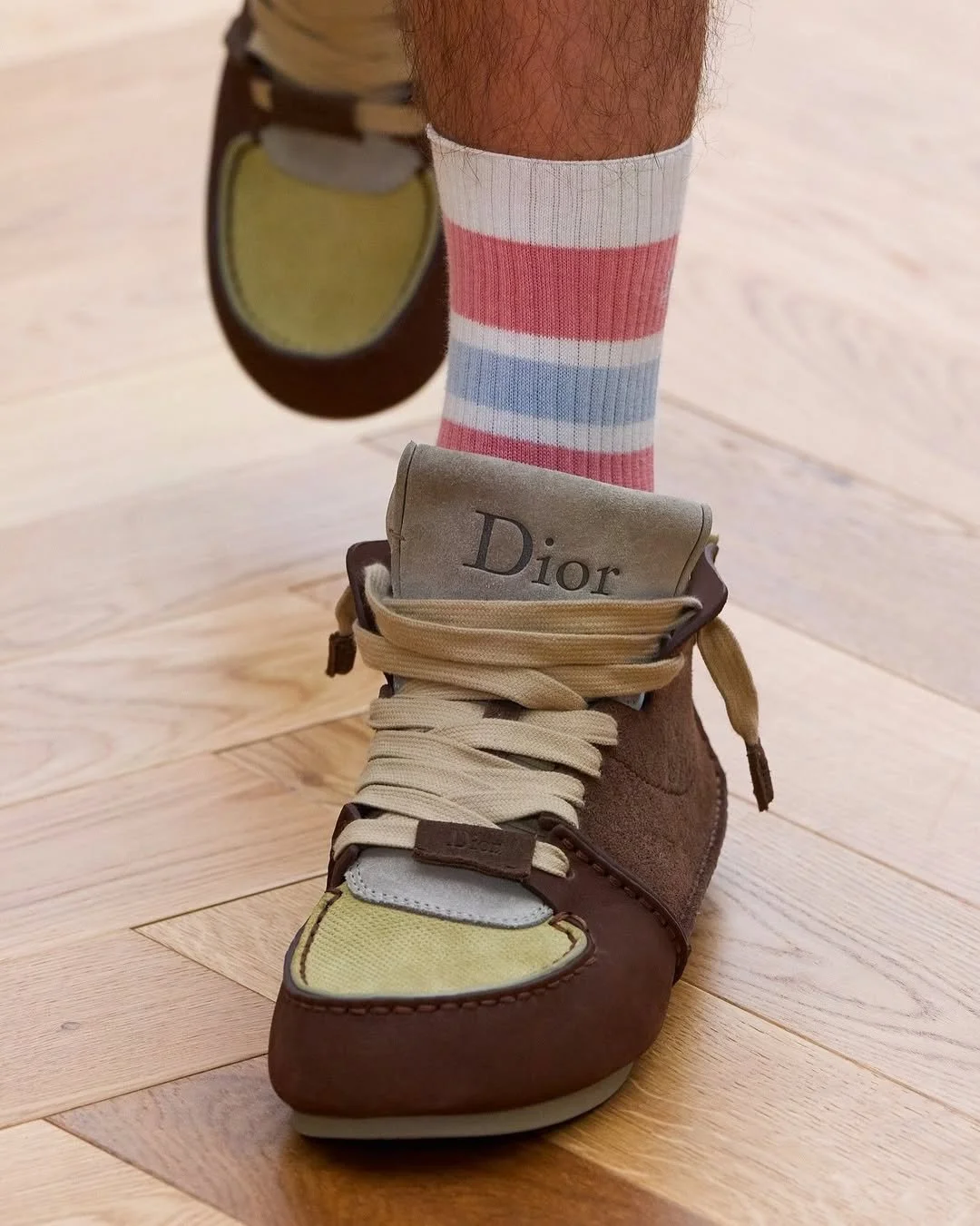
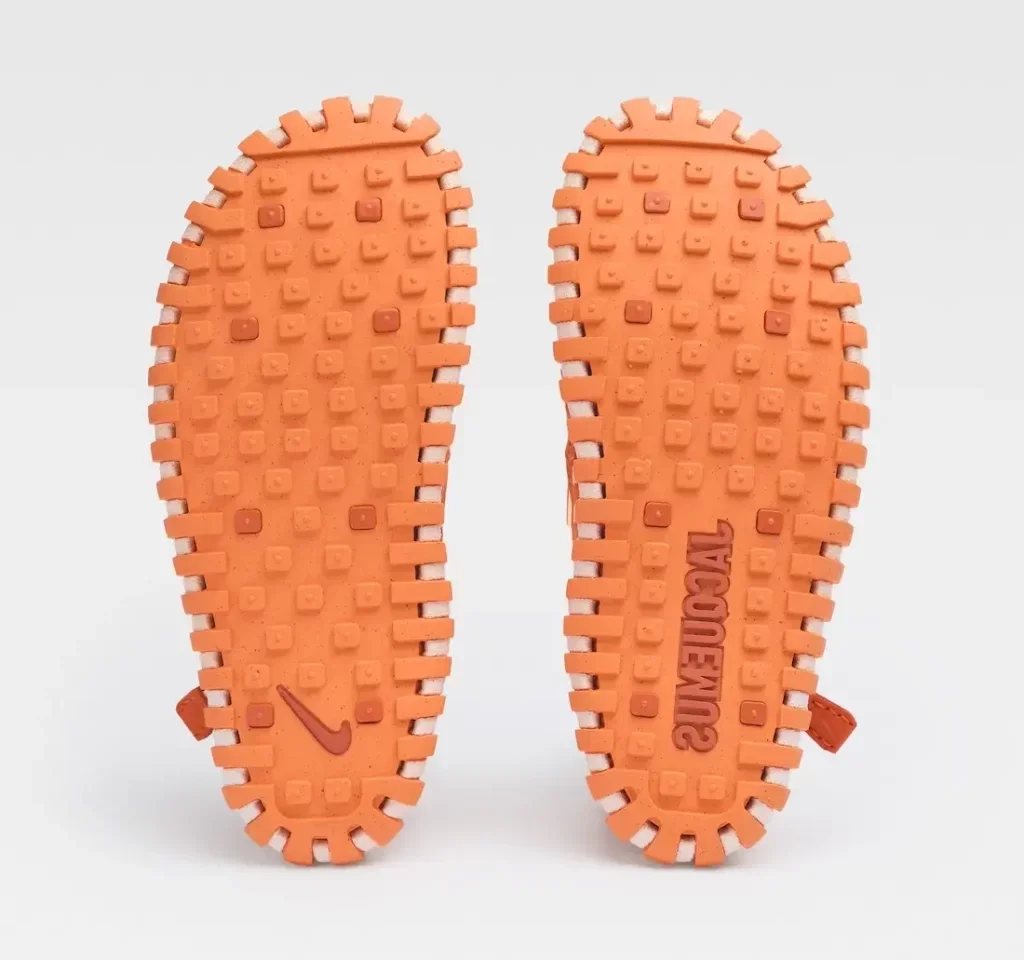
Luxury fashion brands like Jaquemus, in their own Nike collection, or Dior in their SS26 Mens collection, took obvious inspiration from the Nike Considered catalog. How do you feel about that? Do you find it a flattering homage or plain “moodboard referencing“ without conveying the ideas of Considered, ergo reducing the approach to an aesthetic?
SMc: When someone copies one of my designs, it can be flattering because someone else likes the idea. However, I often see someone steal an idea with no reference, or worse, when they don't even know why it is better. It's kind of like what Picasso says: "Good artists borrow, great artists steal". A good artist steals the core idea and makes it even better through genuine understanding, careful attention, and a life well lived.

Do you see any footwear manufacturers or brands successfully innovating in design and manufacturing in the way that you and your colleagues might have envisioned in the mid-2000s?
SMc: No. Do you see a new excellent footwear product? Shoe design has evolved and is increasingly similar to the music industry. It's all manufactured via fake non-thinking pushed through algorithms to "Maximize the $$$$$ to the shareholders" and not in service of the athletes themselves.
Is there another industry, design, or art discipline that you view as competent, maybe even refreshing or progressive in their design output (as a whole community or industry)?
SMc: "Everything is ART. Everything is POLITICS," to quote Ai Weiwei. Always be mindful of ourselves and continue to learn. When I was really into design, art, architecture, sneakerology, skateboarding, skiing, rock climbing, trail running, beat poetry, and traveling in 1976, I wanted to learn everything and fail constantly. It was great, sometimes painful, and humbling. I first started having heroes. In design, my first heroes were both German and Japanese designers. Yin and Yang, Asia meets Friedrich Nietzsche.
(Steve continued to list a lot of his favorite artists, providing more context for some.)
Japanese Designers and Architects. My Japanese heroes: Shira Kuramata, George Nakashima, Yohji Yamamoto, Rei Kawakubo, Issey Miyake, Tadao Ando, Arata Isozaki. Tokyu Hands and Mono magazines had a huge influence on me regarding design ethics, materials, culture, methods, and understanding through ideas and products. I dove into learning all about design from the Japanese and German senses of discipline and focus. Both of these can be good and bad, even to extreme levels; see Japan and Germany. I have read a lot about history. I still have deep respect for Germans and Japanese. We from the USA need to learn much more from both of these countries. Especially right NOW. In the late 1980s, I was fortunate to work and travel in Japan through ESPRIT de Corp, based in San Francisco. I had already worked with frog design in Germany and Apple Computer, directly with Steve Jobs. Perhaps we at frog design were part of the reason Apple corporate management fired Steve Jobs, as he was so supportive of creating amazing innovations. Herbie Pfeifer is the best designer at frogdesign, not Hartmut Esslinger. I learned so much from Herbie. He was very thoughtful and smart about ”why” we need a product and how to do it right. Herbie was also funny. He cracked me up with sharp jokes and asked smart questions.
German designers, architects, and especially artists. My German heroes:
Paul Klee. Pedagogical Sketchbook, The Thinking Eye, and Nature of Nature. Brilliant art, writing, and a huge influence on me. Additionally, he is hilarious, and not many people comment on Germans’ humor. Ok, he's Swiss, and even less funny. I think humor is essential.
Gabriele Műnter. She was part of the Blue Rider group in Germany, where several artists would have picnics in the mountains, paint, and discuss ideas. I really like her paintings. They are colorful and interesting.
Bauhaus and Steiner's thoughts on life and living - it's not just about becoming doctors and lawyers. They are about having a holistic life of learning, playing, and coexisting. My wife, some friends, and I helped create a "Waldorf" type of education. I still believe in this.
Porsche, Audi, Mercedes, and VW. German cars are amazing, but they've just had their arse kicked by China. What will Germany do now? Be inspired and do even better, or add tariffs and punish Asia? Who knows?
Dieter Rams. Logical, simple, thoughtfulness, and beauty define Rams.
George Grosz. An Artist in the early 1900s. I like all of his drawings and commentary on German culture. If you look at Grosz's drawings, you'll see what is happening today in 2025 in Germany and the USA.
frog design. From the Black Forrest and Silicon Valley, CA. This combination defines them. Today, frog design is a sad joke, creating nothing but focusing on fake marketing. Steve Jobs despised the Apple marketing division.
Ludwig Mies van der Rohe. Ok, he's Dutch, but thinks like a German—minimalism at its best.
Anselm Kiefer. His huge and messy paintings can be powerful and almost speak.
August Sander. An important photographer who beautifully documented people everywhere, almost as a science in itself. I still look at his photo books, gazing at each person and trying to guess their stories.
Werner Herzog. He's a great storyteller.
DIN standards. Aka German thinking on factual data. Factual facts are essential, and the Germans are masters at the highest levels. Even some DIN standards can be considered somewhat flawed, but having good data is key to understanding and using it wisely.
And of course, Einstein is a kind and brilliant hero.
On your LinkedIn page, you declare „design is now dead.“ Is there a time of death you can identify? Do you see a silver lining of any form of revitalization?
SMc: Maybe. It's not that good designs can't exist, but censorship in the West is repressive, preventing people from seeing real innovation. A good example is China. ALL western governments have too much censorship. For me, design died around 2008, at Nike. At that time, the USA saw a financial crash and an end of ethics pushed by Christian National Evangelicals owning government power. So after 2008, design ethics ended. I thought Obama would be a good change. I was wrong. I voted for him twice, but I wish I hadn't now. USA Democrats are just as bad as Republicans, and both have been colluding with Zionists since 1947. Creative people create the future. No creative people means no future. That sounds daunting and scary, yet great fun to understand and create excellent footwear with that motivation. I enjoyed working at Nike, particularly in Asia, where we had direct access to the real, authentic factories. I'm still a Nike person... as a runner, designer, and well-informed individual, I've made more good friends. My job at Nike was to innovate. What the hell does this mean?
We built the Nike Innovation Kitchen in circa 1998-99, with Tinker Hatfield. It was truly TMI 24/7 information charging. So fun! I was a consultant - by choice. Why could I help Nike as both an early designer and not part of corporate Swoosh land? I am originally from the Utah mountains and grew up as a devout Lutheran Christian, but my views changed over time as I learned more. Still living in that majorly Mormon state, I see Mormons and Christians as friends who need to discuss in continued dialogue. I believe in change and progress.
When I moved to Nike, after Esprit, I still thought we could change everything. We did. My job was to create better products with real, thoughtful design, and be authentic through Nike, while also generating revenue for Nike. Simple. Not so simple, actually. I met as many designers, VPs, developers, marketers, artisans, and travelers as possible, learning from each of them. The best part was working directly with the factories. That's where it really happens. This is real design. I am skilled in listening, creating tangible objects, problem-solving, and designing functional and aesthetically pleasing items. I looked at myself as a “pollinator”, so to speak. Back in the day, the in-line shoe categories, such as Hoops, Running, ACG, Tennis, etc., rarely connected and never with any apparel category. I tried to be transparent and help all Nike cohorts. I would, for example, meet many other designers, working on a similar project, to help each other if one of us was stumped. I provided them with information and my thoughts without any pressure. I would also show them what I am working on to get good criticism and inspire my friends. Then I returned to my office in Utah for two weeks, and then spent a week in Beaverton, Oregon. I was lucky to get to - and made the point that I wanted to - work directly with the factories and our Innovation Kitchen team. I know I helped a lot. Working in Asia was fantastic, but communicating was challenging. The key was to be empathetic, think fast, be authentic, honest, and play forever. To quote Einstein one more time: "Creativity is intelligence having fun.”
Thank you, Steve!!